Fat Pad Atrophy: The Loss of Natural Cushioning
Fat pad atrophy is a common yet often overlooked condition characterized by the thinning of the protective adipose tissue located on the balls of the feet and heels. This natural cushioning is vital for shock absorption and pressure distribution during daily activities. When these pads diminish, patients often experience significant discomfort, feeling as though they are walking directly on bone. Understanding this condition is the first step toward reclaiming pain-free mobility and long-term foot health.

Age-Related Changes
The primary cause of fat pad thinning is the natural aging process. Over time, the body’s ability to maintain thick, elastic fatty tissue decreases. As the skin loses collagen and the adipose layer dissipates, the underlying metatarsal heads and calcaneus become exposed to increased friction. This structural shift can lead to chronic inflammation and a heightened risk of secondary injuries.
Impact of Foot Structure
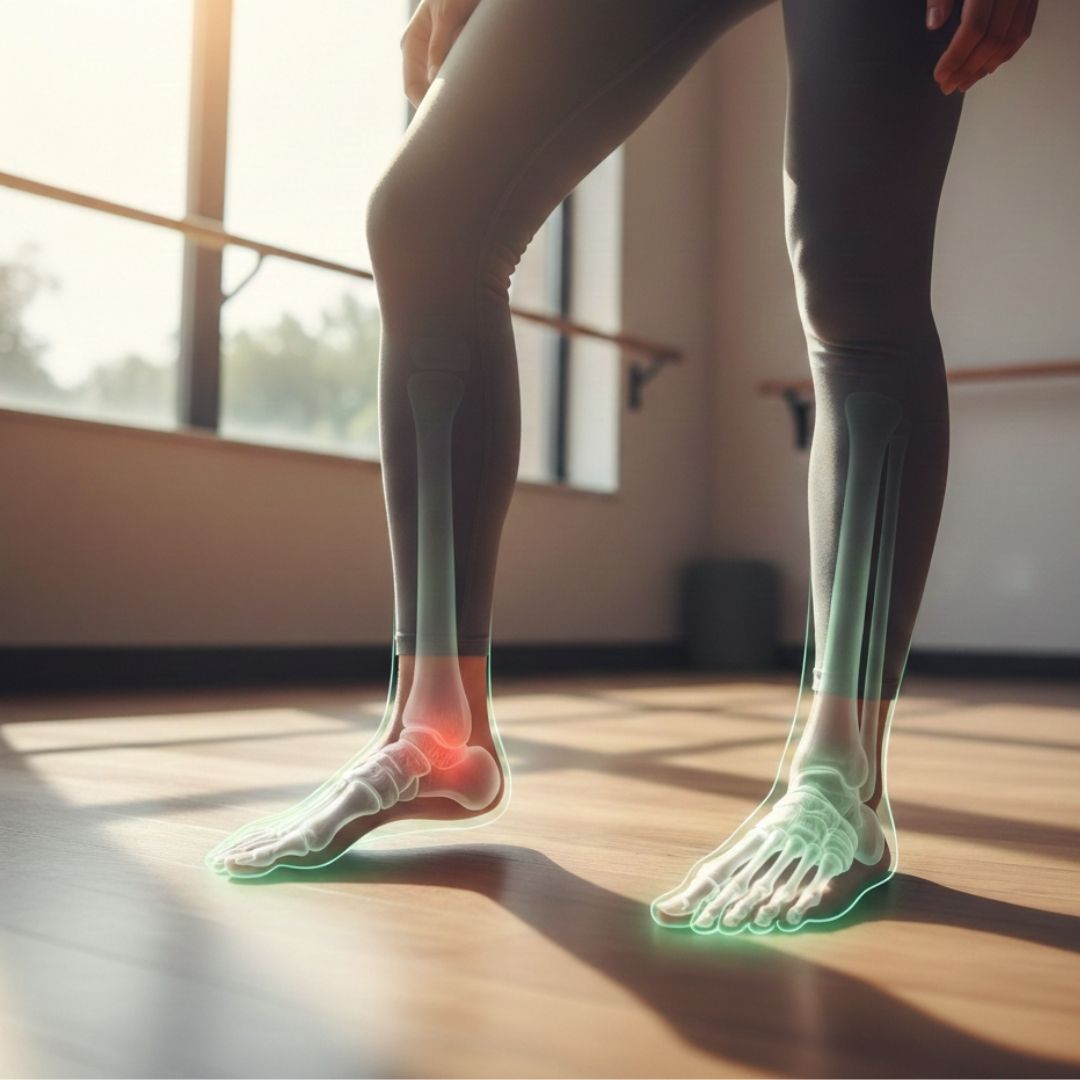
Biomechanical issues, such as high arches or flat feet, contribute significantly to localized atrophy. Abnormal foot mechanics create excessive pressure on specific areas, accelerating the wear and tear of the fat pads. Patients with high-pressure points often see a faster decline in cushioning, making custom orthotic intervention essential to redistribute weight and protect the remaining healthy tissue from further degradation.

External Risk Factors
Daily habits and medical history play a role in the progression of this condition. Frequent wear of high-heeled shoes shifts weight forward, straining the forefoot pads. Additionally, medical conditions like rheumatoid arthritis or the long-term use of corticosteroid injections can weaken the fatty tissue. Identifying these lifestyle factors allows for proactive adjustments to prevent the total loss of natural padding.
Diagnostic Indicators
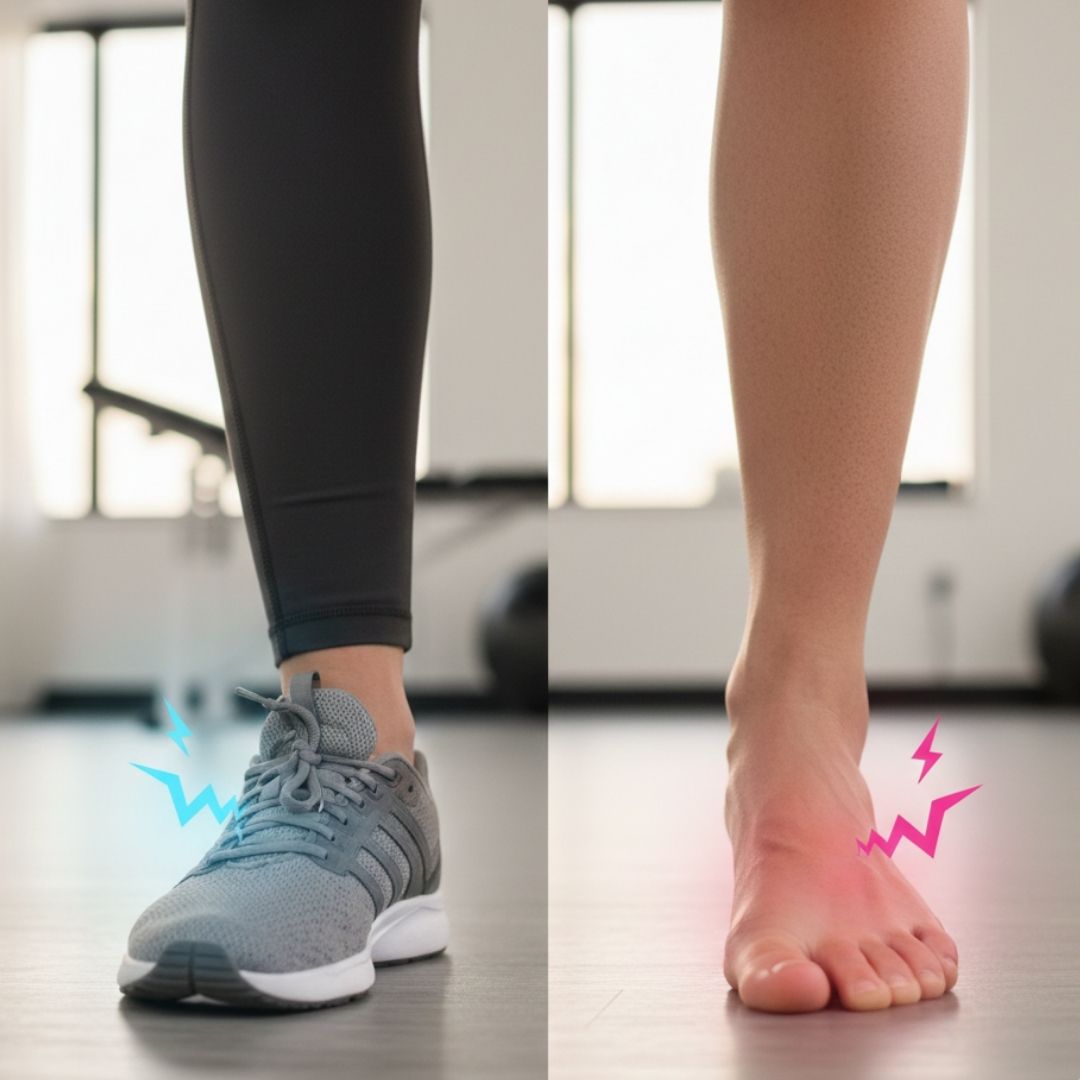
Identifying atrophy early is crucial for effective management. Common symptoms include a dull ache after standing, the sensation of a pebble in the shoe, or visible thinning of the foot’s underside. Clinical evaluations often involve physical exams and gait analysis to differentiate atrophy from conditions like plantar fasciitis, ensuring that the treatment plan specifically addresses the lack of physical cushioning.
Expert Care and Solutions
Managing fat pad atrophy requires a specialized approach to restore comfort and function. At A Step Ahead Foot & Ankle Center, we provide comprehensive evaluations and advanced solutions, including custom orthotics and footwear recommendations, to mimic your body’s natural shock absorption. Do not let the loss of cushioning limit your lifestyle; contact our expert team today to schedule your consultation.